Right to Repair Explained: What It Actually Means for You in 2026
For years, fixing a broken phone or laptop often meant going back to the original manufacturer, paying a premium, or being told the device simply couldn’t be repaired. Right to Repair laws are changing that, state by state. Beyond formal repair, our guide on disposing of old electronics responsibly covers what to do once a device genuinely reaches end of life. This guide explains what the movement actually covers, where the laws currently stand, and what it means practically for your next repair.
What Right to Repair Actually Means
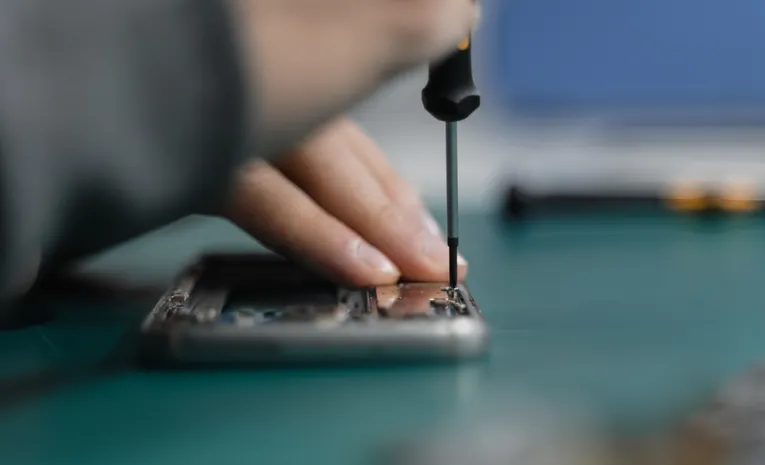
At its core, Right to Repair is the principle that if you own a product, you should be able to repair it yourself or take it to an independent repair shop, rather than being locked into the manufacturer’s own, often more expensive, repair channel.
What These Laws Typically Require
Right to Repair laws generally require manufacturers to make repair parts, tools, and diagnostic software available to consumers and independent repair shops, not just their own authorised technicians. Most also require access to repair manuals and schematics that were previously kept internal.
Where the Laws Currently Stand: US States
As of mid-2026, seven US states have consumer electronics repair laws in force: New York (the first, effective December 2023), California and Minnesota (July 2024), Oregon (January 2025), Colorado and Washington (January 2026), and Connecticut (July 2026). Texas follows on 1 September 2026, and more states have similar bills currently progressing through their legislatures.
The EU Right to Repair Directive
The EU’s Right to Repair Directive (2024/1799) requires every member state to write equivalent rules into national law by 31 July 2026, meaning the movement isn’t limited to the United States and is becoming a broader international standard for consumer electronics.
Parts Pairing: The Practice These Laws Specifically Target
A key focus of the 2026 legislative template is banning “parts pairing,” where manufacturers use software to restrict a device to only recognise manufacturer-approved components, even if a functionally identical third-party part is installed. This practice has historically prevented independent repair even when the physical part itself was perfectly compatible.
Why Manufacturers Have Historically Opposed These Laws
Electronics trade groups have raised concerns about digital security and safety risks from third-party repairs performed by people without proper training. Manufacturers have also argued that controlling repair channels protects intellectual property and product safety standards.
Why the Movement Has Bipartisan Support
Unusually for a regulatory issue, Right to Repair has broad political support across the spectrum. The National Federation of Independent Business reports that 89% of its members support right-to-repair legislation, reflecting how the issue affects both individual consumers and small independent repair businesses that compete with manufacturer-authorised service centres.
What This Means If You’re Buying Refurbished
Easier access to parts and repair manuals means more devices can be properly restored and serviced over a longer lifespan. This widens the supply of quality refurbished electronics and can help maintain resale value, since devices are no longer effectively disposable once official support channels are exhausted.
Does Right to Repair Mean I Can Fix My Own Devices Now?
In states or regions with these laws in force, yes, in principle. Manufacturers are required to make parts, tools, and documentation available, though the practical experience of sourcing parts and successfully completing a repair still varies by manufacturer and device complexity.
What’s Covered vs What Isn’t
Coverage varies significantly by state and region. Consumer electronics like phones, laptops, and tablets are the most common focus, though separate right-to-repair movements also cover agricultural equipment, wheelchairs, and vehicles, each with their own distinct legislative history and requirements.
Frequently Asked Questions
Does Right to Repair void my warranty if I use it?
Under most Right to Repair laws, using an independent repair provider or genuine third-party parts should not automatically void your warranty, though it’s worth checking the specific terms for your device and jurisdiction.
Will Right to Repair actually make repairs cheaper?
Increased competition from independent repair shops, no longer locked out of parts and tools, is generally expected to bring repair costs down over time, though the effect varies by device category and how established the local independent repair market already is.
Conclusion
Right to Repair has moved from a niche advocacy issue to active law across a growing number of US states and, from mid-2026, across the entire EU. Whether you fix things yourself or simply want more choice in where you take a broken device, understanding what these laws actually require is worth knowing before your next repair. The same tension between company incentives and user preference shows up in why apps keep getting redesigned too, and in the documented history of planned obsolescence itself.
About the Author