Is Planned Obsolescence Real? The Court Cases That Prove It
Planned obsolescence often gets dismissed as a conspiracy theory, the kind of thing frustrated consumers say when a phone slows down right before a new model launches. But it isn’t a theory. It’s a documented business practice with a century-long paper trail, court settlements, and a name that dates back to 1932. This is also part of why Right to Repair laws have gained so much momentum. This guide covers the actual evidence, not just the suspicion.
What Planned Obsolescence Actually Means
Planned obsolescence is the deliberate design of a product with an artificially limited useful life, engineered to encourage repeat purchases rather than to fail by accident or genuine technical limitation.
The Founding Case: The Phoebus Cartel
The clearest, earliest documented example dates to 15 January 1925, when major lighting manufacturers including Osram, General Electric, Philips, and Tungsram formed a secret cartel in Geneva called Phoebus S.A. At the time, lightbulbs commonly lasted around 2,500 hours. The cartel deliberately standardised bulb life expectancy down to 1,000 hours and fined manufacturers whose bulbs lasted longer, all while raising prices, free from any competitive pressure to actually improve the product.
The Apple Battery Throttling Case
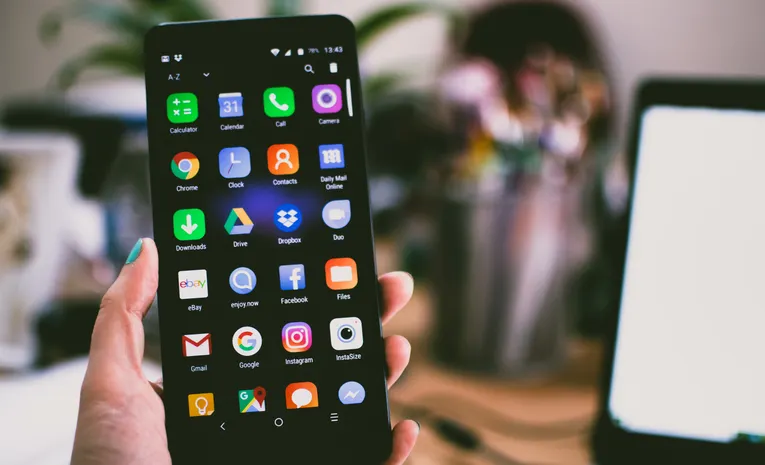
In 2016, Apple released a software update that quietly reduced iPhone processing performance on devices with ageing batteries. The company said it discovered ageing batteries were causing unexpected shutdowns, and throttling was meant to prevent that. What Apple did not do was disclose this to customers or proactively offer battery replacements as the first option, leaving millions of users to simply assume their phone was ageing out and needed replacing.
The Financial Consequences: Two Separate Settlements
This wasn’t dismissed as a misunderstanding. A coalition of more than 30 US state attorneys general reached a $113 million settlement with Apple over its failure to disclose the throttling issue. Separately, Apple agreed to pay $500 million to settle a related consumer lawsuit alleging the company intentionally slowed older iPhones using this same method, without denying the underlying throttling itself.
Material Obsolescence: When Repair Becomes Physically Impossible
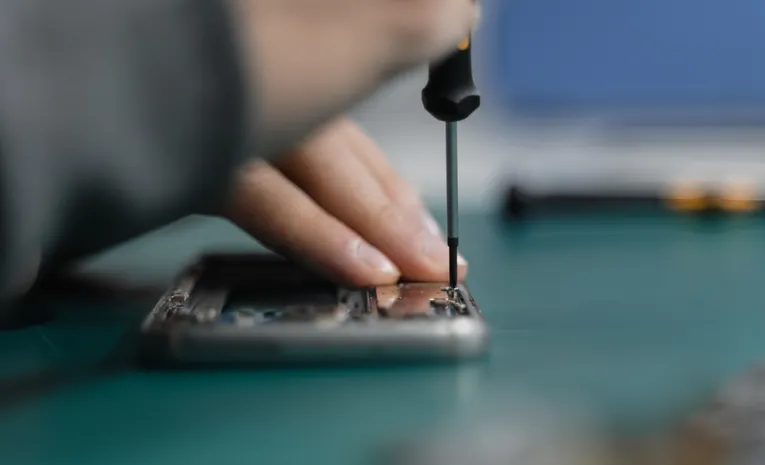
Beyond software throttling, some manufacturers have been criticised for physical design choices that make repair impractical, such as extensive use of glue on internal components or soldering RAM directly to the motherboard, effectively forcing a full device replacement rather than a simple component swap when something fails.
Systemic Obsolescence: When Software Support Simply Stops
A device can be in perfect physical working order and still become obsolete the moment a manufacturer stops issuing security updates for it, or when new app requirements quietly exclude it. This form doesn’t require the hardware to break at all, only for support to end.
Desirability Obsolescence: The Subtlest Version
In this form, a product continues to function perfectly well. Styling changes, marketing, and new feature announcements simply make the existing version feel outdated by comparison. This is where the line between deliberate corporate strategy and genuine consumer demand for novelty becomes genuinely blurry.
How Widespread Is the Evidence?
Between 2004 and 2013, the proportion of defective household appliances replaced within five years rose from 3.5% to 8.3%, a documented shift toward shorter product lifespans across the consumer electronics and appliance sector more broadly, not an isolated pattern limited to one company or device category.
Why Companies Do This: The Business Logic
In mature, saturated markets, highly durable products limit future sales. Controlling how long a product remains useful creates a predictable, recurring revenue stream rather than relying on genuinely new innovation to drive repeat purchases, particularly in markets where a small number of dominant players can shape design norms across the entire industry.
Counter-Movements: Right to Repair and Alternative Business Models
Right to Repair legislation, minimum durability standards, and product lifetime labelling requirements have all emerged specifically in response to documented planned obsolescence. Alternative company models, such as Fairphone’s design for easy self-repair, have also demonstrated real consumer demand for products built to last rather than to be replaced.
What Consumers Can Actually Do
- Check independent repairability scores before buying, where available, rather than relying on marketing claims alone
- Research a manufacturer’s software support timeline before purchasing, not just its current specifications
- Consider whether a battery replacement or minor repair could resolve slowness before assuming a full upgrade is necessary
- Support Right to Repair legislation, which directly targets several of the mechanisms documented above
Frequently Asked Questions
Did Apple admit to intentionally slowing down old iPhones to force upgrades?
Apple has consistently denied that forcing upgrades was the intent, framing the throttling as a battery-protection measure, but it settled both the multi-state investigation and the related consumer lawsuit for a combined $613 million without disputing that the throttling itself occurred.
Is planned obsolescence illegal?
It depends on jurisdiction and specific conduct. France has a specific law against planned obsolescence and has investigated companies under it, while most other jurisdictions address the practice indirectly through consumer protection, disclosure, and antitrust law rather than a dedicated statute.
Conclusion
Planned obsolescence isn’t a matter of consumer suspicion or coincidence. From a 1925 lightbulb cartel to a $613 million combined Apple settlement, the documented evidence spans nearly a century and multiple industries. Understanding which specific form is at play, whether physical, software, or purely psychological, helps separate genuine product limitations from a deliberate business strategy.
About the Author